
One of my [non-raft shop] colleagues, Ben, is a primary care doctor and informaticist – he helps take the enormous amounts of medical data available and turn it into information people care about, making everyone safer and more efficient in the process. And while he challenges my general curiosity when I ask question after question in my other job, he always does so in the best and kindest way possible. Usually he answers my question with his own, specific, one: “if you knew the answer to that question, what would change?”
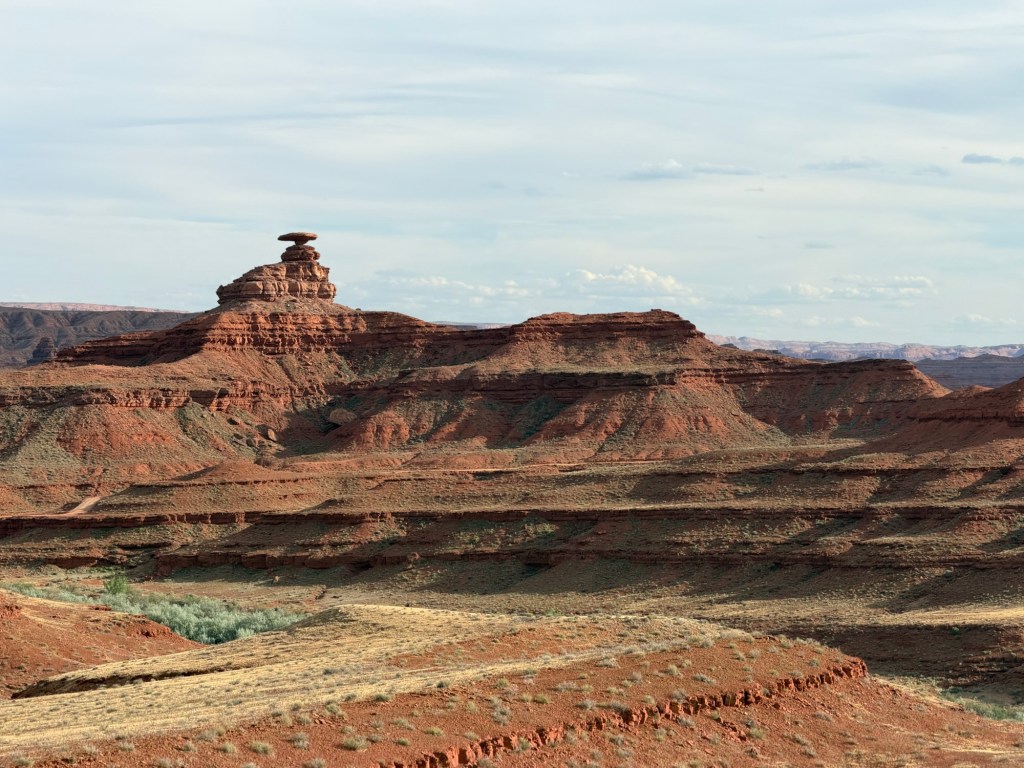
I was thinking about that a lot on my most recent raft trip, down the San Juan river in southern Utah. I try to gather as much beta as I can when I float a new river – weather, rapids, campsites, side-quests, etc. – but it’s always incomplete. Rivers change from year to year. So do the camps. Weather changes from the time you start the float to the time you end.
All of that happened on the San Juan. The water was low and muddy – I knew that was likely to be the case, but one big spring rain could have changed that outcome substantially. The rapids were a little different than described. “Avoid the big boulder at the bottom” was the guidance given by the older gentleman we passed just before the ‘biggest’ rapid on this section, while “stay to the right of the boulder at the top” was what the river map instructed. And our best hike ended up following a donkey trail to the top of the hill instead of the topo map.
Our first night on the river, I brought out the black light. There were lots of scorpions in this part of the world, according to my sources, and I was curious about what we would find. My trip mates were – at various points in the evening – unconcerned, deeply concerned, and gleefully amused as they found tiny little fluorescent arachnids… and then larger ones. As the night progressed, I shared what else I learned about the ones near us. Arizona Bark Scorpions are the most medically significant species in North America, and can be most easily discerned by their smallish size and laterally oriented tail (when undisturbed). And they are the only species know to climb vertical surfaces Those were what our party repeatedly found.
What would we do with this data? What would we change, now that we knew they were around, if anything? Shaking out our shoes was probably going to happen anyway, just to get the sand out, and closing up tents and bags was going to help keep the sand out. I compared our spotlighting the little creatures to getting a full body CT scan: you might discover something, but whatever it is will probably cause more stress and concern than actually give us information that will change our actions to make things better.
In medicine, there’s the concept of ‘incidental findings’ (imagine a bike crash requiring a chest X-ray to see if a rib is broken, but the radiologist notices some spinal curvature that ends up being scoliosis). What to do with these findings comes back to Ben’s question: “…what would it change?” And I think for my recent trip there were lots of incidental findings, but I wouldn’t change a thing.
 Clean Lines Paddlesports
Leave a comment